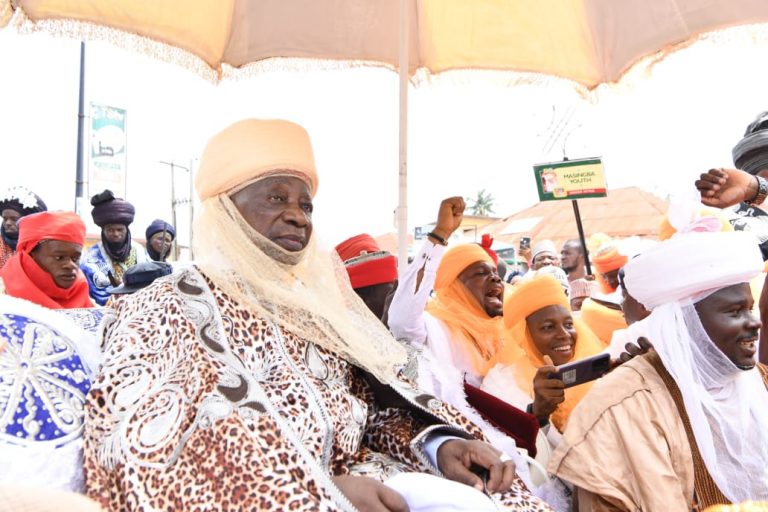
Ilorin is a multi-ethnic Muslim community with a unique history and culture. It is
a scholarly community with a very rich and dynamic tradition of Islamic scholarship. The city is indeed widely acknowledged as Ilu Alfa (the City of Scholars) and a regional Centre of Islamic learning and Arabic Manuscript production.
This great city called llorin is the Kwara State capital (8.30N, 4.32) which lies 3.6km North-East of Lagos and 500km South-West of Abuja. It is divinely positioned and strategically located as a Gateway between the Southern and Northern Nigeria. llorin the capital City of Kwara State is domiciled in the North Central Geopolitical Zone of Nigeria. The city of llorin has an estimated population of 1,622,438 inhabitants spread over a total area of 295 square miles. Ilorin has a Tropical Savanna Climate and mild weather conditions. The land of llorin is largely undulating, the elevation in the western part ranges from 273m to 333 (i.e. 900 to 1,100 feet) above sea level and from 273m to 364m (i.e, 900 10 1,200 feet) in the Eastern part, the highest point is the Sobi Hill with an elevation of 394m (i.e. 1,300 feet) above sea level. The city experiences the rainy and dry seasons at interval.
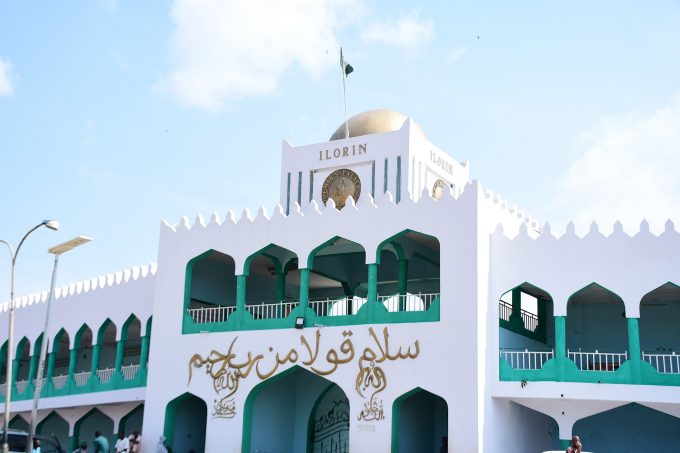
The city retains a strong Islamic influence although Christianity is now widely practiced in the cosmopolitan part of the city due to the religious tolerance of indigenes and its friendly environment – it is generally called the “Home of Peace”. The City has been regarded as the most peaceful State Capital in the North-Central Geo-political Zone of Nigeria due to the rare outburst of violence and criminality.
The llorin Emirate, of which Ilorin is the headquarters, was established in the early years of the 19th century. This was as a result of the Islamic movement, which Shaikh Salihu bn Janta or Aafa Alimi started during late 18th and early 19th Century.
In view of Shaykh Alimi’s leading roles, especially in the religious transformation of the settlement and in rallying other scholars and individuals around him to lay the foundations for the Emirate, llorin has come to be universally referred to as “llorin, Garin Alimi” and as “Ilu Aafa”, that is “Ilorin, the City of Aafa Alimi.” In other words, Shaikh Alimi is acknowledged as the “Founder of the Islamic Emirate of llorin.
llorin has accommodated people of various tribes among which are Yorubas, Kanuris , Fulanis , Kamberis , Barubas, Nupes, Sudaneses, Malians and Gobiris… During the period of its evolution into an emirate, features of the socio-political transformation that llorin witnessed included the continuous influx and convergence of individuals and groups from diverse ethnic backgrounds, demographic changes in population, phenomenal growth of Isłam and Muslim population; and the growth and expansion of the clusters of settlements (including ldi-Ape, Oke Suna, Gaa Olufadi, Gambari, Agbaji, etc.) that evolved into llorin.
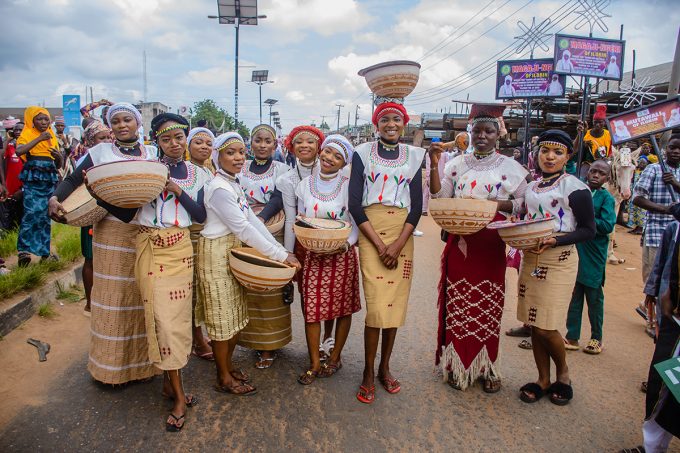
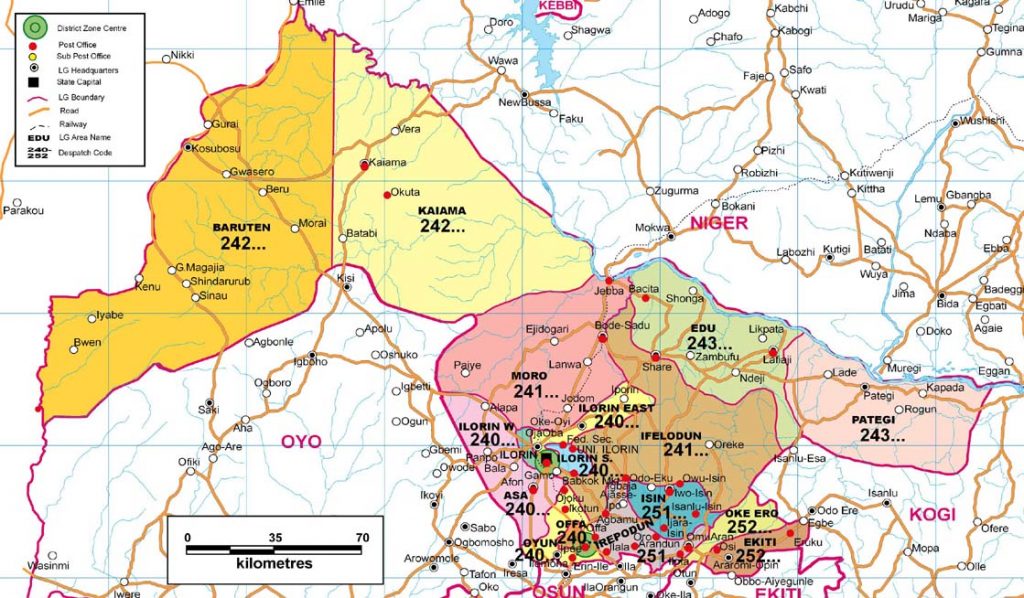
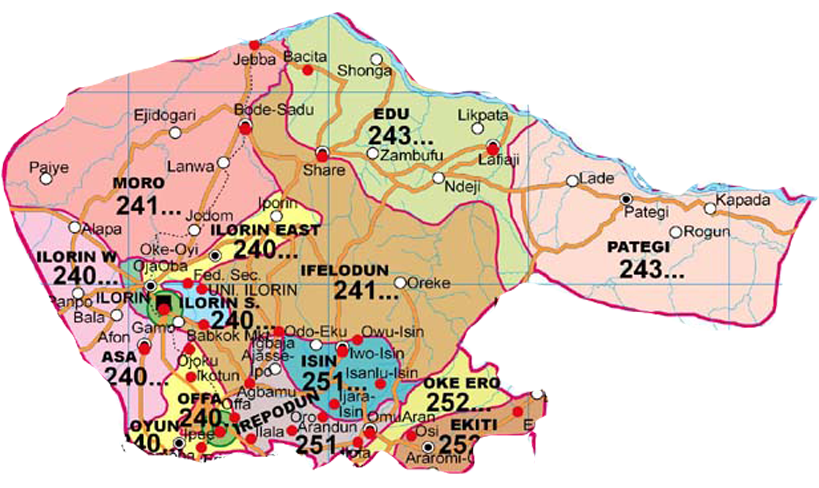
It is popularly believed that Ilorin emerged between 1600 to1700 AD and among the first settlers in the town are Baruba hermit , Ojo Isekuse, Emila, Olufadi and Akanbi ; before the arrival and prominence of Sholagberu; Afonja and Alimi in the 19th century (see Jimoh , LA.K, 1994:18 ; Danmole, H.O., 1980 in Jawondo, 2015:26; Isiaka Aliagan, 2006: 3-11, in Ayinde, M.S. 2007:41). llorin’s name as otherwise known presently as llorin Emirate comprises Five Local Governments: llorin West, llorin East, llorin South, Asa and Moro. The city is described as a rainbow coalition that one can hardly distinguishes a Fulani Man from Yoruba to Nupe or any other tribal origin. It is so acculturated to the extent that it is also obvious in llorin blended delicacies of ‘Amala, Tuwo, Eko Gb’ona, Fura, Wara (Cheese) and others, but Islamic religion is the basis for the uniformity and peaceful coexistence.
Just like the emergence of llorin, the source of its nomenclature is another area of scholastic contention. Some believe the name emanated from “llo-Irin” (lron Sharpener) at Ile Bamidele or mythology of “llu-Erin” that gave the popular name to an area where an elephant was killed in 1824 “Oko-Erin” or the story of Iro-ni (Alligator Pepper) that stemmed from the activities of the first settler, Baruba Hermit (see Jimoh LA.K; 1994:26 and Jawondo, 2015:24-26). With the popular support of llo-Irin (Iron Sharpener), having considered the nature of the stone in question, the research is still ongoing about how the name Ilorin was sourced, as posited by Jawondo lbrahim. The ownership of the land is also a subject of controversy as ethnocentric notion trails some historical literatures about it. Although ownership is still contentious, but in the common literatures about llorin, the city is said to have been founded by a Yoruba man (Ojo Isekuse) however, historians like Jimoh LA.K (1994:25) in assessing the position of Sheikh Omo-lkokoro (1912), the earliest llorin historians, asserted that, Baruba hermit had inhabited the land, named after Baruba quarter, close to ldi-ape, and it was the first settler as Ojo Isekuse (from Oyo-lle) was the first Yoruba settler (see Jimoh L.A.K; 1994:25).
The capital was occupied by the Royal Niger Company in 1897 and its lands were incorporated into the British colony of Northern Nigeria in 1900.
The foundation laid by Shaykh Alimi was obviously catalytic for the establishment of the Emirate in llorin, though the road map to formation of the Emirate was not without certain challenges. Apparently, Shaykh AĀlimi’s arrival and stay in llorin changed totally the course of llorin history. It is, therefore, pertinent to reiterate that without prejudice to the contributions of other earlier settlers in llorin, discussed above as contemporaries of Shaykh Alimi, the input of Shaykh Älimi in the making of what llorin is, presently, was great and unique; hence the appellation llorin Garin Alimi.
Establishment of the Emirate and Survival of Shaykh Alimi Dynasty The record is very clear about Shaykh Alimi’s relentless efforts on the propagation of Islam, even when he has grown older. Shaykh left his son Abdul Saläm to attend, on his behalf, to administrative matter, which was brought to Shaykh’s attention for adjudication or advice as the Amirul-Müminin. Consequently, Abdul Salâm took up political responsibilities and after the death of Shaykh Alimi; he became the first Emir (1820-1836) and was succeeded by his brother, Shitta (1836-1861).
The descendants of these two Emirs formed the lineages that inherited the Alimi Dynasty alihu & Jawondo, 2006: 12). The famous llorin dynasty of Shaykh Alimi, which started around 1820 with Shaykh AbdulSalam as the first Emir, has covered a period of two centuries up to the reign of the eleventh and current Emir, Shaykh lbrahim Zulu Gambari.
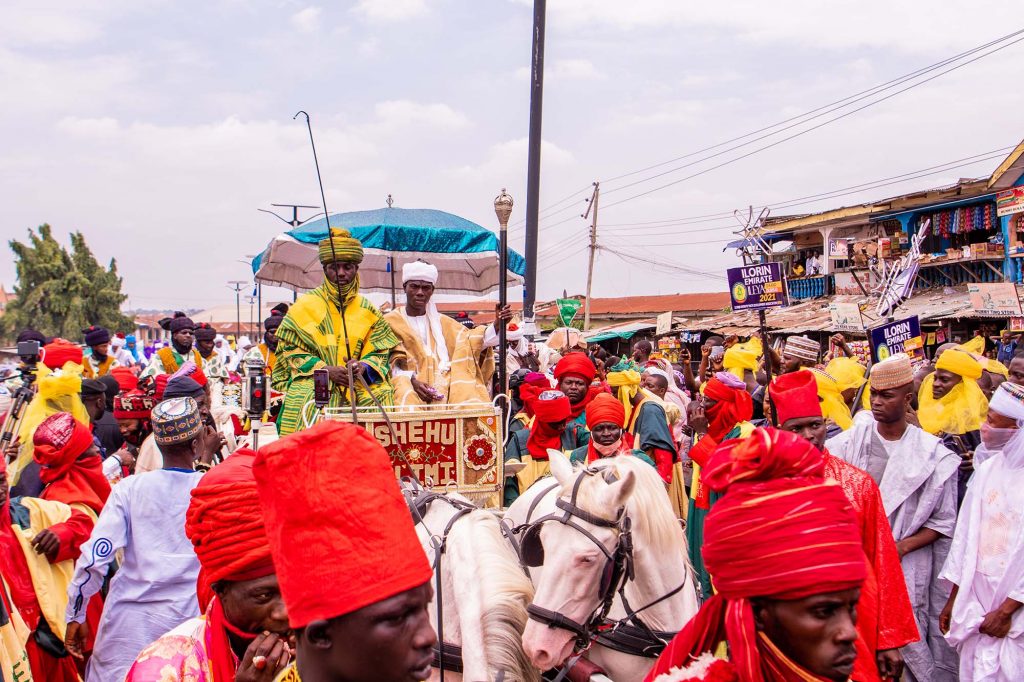
As further clarification to this, it is pertinent to present the list of the past and the current Emirs of Ilorin, all of whom were descendants of Alimi, as follows:
- Emir AbdulSalam son of Shaykh Alimi from 1820 to 1836
- Emir Shitta son of Shaykh Alimi from 1836 to 1861
- Emir Zubayr son of Emir AbdulSalam from 1861 to 1869
- Emir Aliyu son of Emir Shitta from 1869 to 1891
- Emir AbdulSalam II (Mama) son of Emir Zubayr from 1891 to 1895
- Emir Sulayman son of Emir Aliyu from 1895 to 1915
- Emir Shuayb Bawan Allah son of Emir Zubayr from 1915 to 1919
- Emir AbdulQadir son of Emir Shuayb Bawan Allah from 1919 to
- Emir Alhaji Dhul-Qarnayn son of Muhammad Gambari son of Emir Shuaibu Bawan Allah from 1959 to 1992.
- Emir Mallam Aliyu son Emir AbdulQadir from 1992 to 1995
- Emir Alhaji lbrahim son of Emir Dhul-Qarnayn Gambari from 1995 till date .